Discover opening hours, directions, entrances, and best time to visit
Plan your visit to the British Music Experience in Liverpool
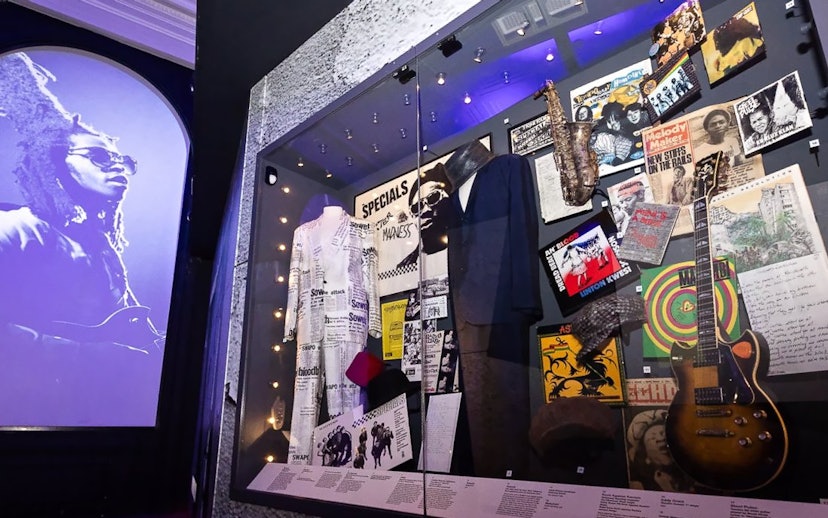
The British Music Experience is a music museum inside Liverpool’s Cunard Building, best known for its original stage costumes, handwritten lyrics, instruments, and hands-on music zones. It’s an easy visit physically, but the experience works best if you pace it between artifact cases and the interactive rooms rather than rushing straight to the Gibson studio. Most people spend 1.5–2 hours here, and timing matters more for the play zones than for the galleries. This guide covers when to go, how long to allow, tickets, and what to prioritize.
Quick overview: British Music Experience at a glance
If you want the short version before you book, this is what will shape your visit most.
- When to visit: Daily, typically 10am–5pm. Weekday mornings are noticeably calmer than weekend afternoons, and the Gibson instrument studio is much easier to use before families and day-trippers arrive.
- Getting in: Tickets start from £20 for standard entry. Book at least two weeks in advance during school holidays, summer weekends, and special exhibition periods to secure your preferred time slot.
- How long to allow: 1.5–2 hours for most visitors. It pushes closer to 2.5 hours if you stop to play instruments, try the dance studio, and spend time with the temporary exhibition.
- What most people miss: The handwritten lyrics, smaller memorabilia cases, and the BRIT Awards statues near the start of the route are easy to rush past on the way to the interactive rooms.
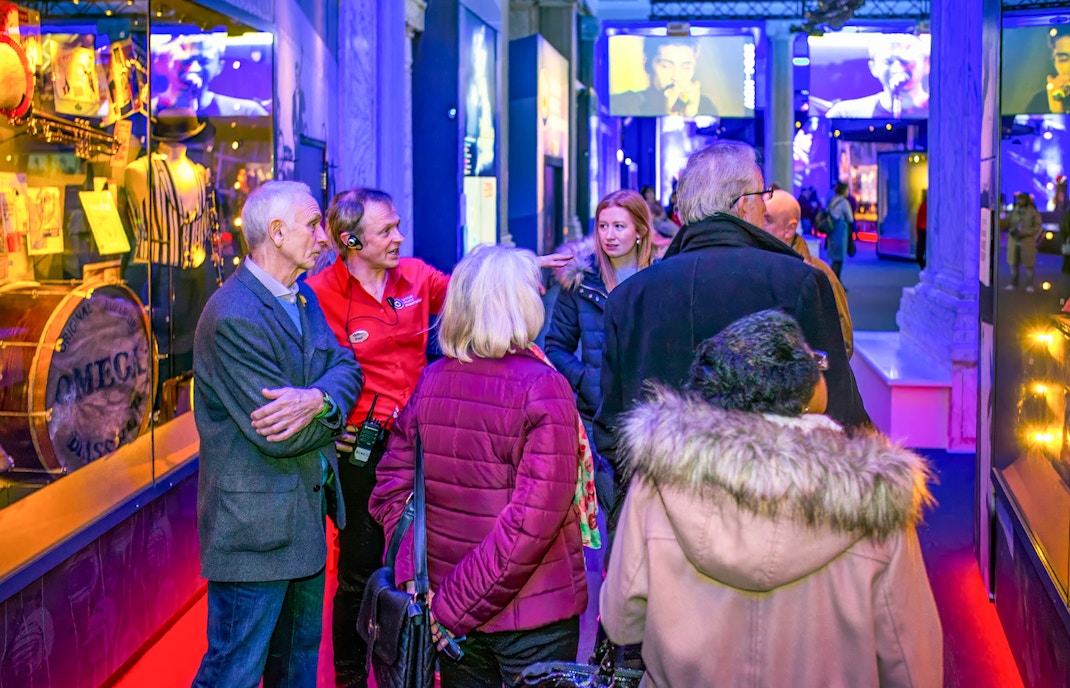
- Is a guide worth it? Usually no — there’s no standard official guided visit, and the free Smartify audioguide is enough unless you want deeper music-history context from an external specialist.
🎟️ Tickets for British Music Experience can tighten up in advance during school breaks, summer weekends, and special exhibition runs. Lock in your visit before the time you want is gone. → See ticket options
Jump to what you need
🕒 Where and when to go
🗓️ How much time do you need?
🗺️ Getting around
♿ Facilities and accessibility
⚠️ Rules and restrictions
🗺️ What else is worth visiting nearby
🍽️ Eat, shop & stay near British Music experience
Where and when to go

How do you get to the British Music Experience?
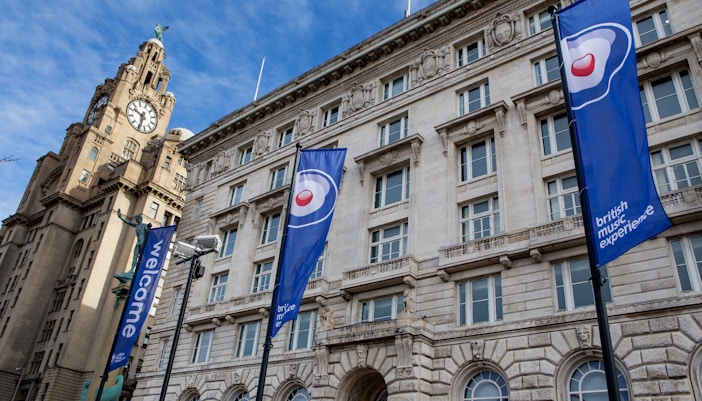
The museum sits on Liverpool’s waterfront at Pier Head, inside the Cunard Building, about a 15-minute walk from Liverpool Lime Street and close to the ferry terminal and city-center bus stops.
Cunard Building, Liverpool Waterfront, Liverpool L3 1DS, United Kingdom → Open in Google Maps
- Train: James Street station → 7-minute walk → Use the Water Street exit for the quickest route to Pier Head.
- Train: Liverpool Lime Street → 15–20-minute walk → Best if you want a straight city-center walk downhill to the waterfront.
- Bus: Pier Head stops → 2–5-minute walk → Several city-center routes stop close to the Cunard Building.
- Taxi / rideshare: Cunard Building drop-off → 1-minute walk → Easiest option if you’re arriving with children or limited time.
Which entrance should you use?
There’s one main entrance into the British Music Experience inside the Cunard Building, and the only thing visitors usually get wrong is assuming there are separate lines for prebooked and walk-up tickets.
- Main entrance: Located inside the Cunard Building on the Pier Head side. Expect 0–10 minutes’ wait on most weekday mornings and up to 15–20 minutes on busy weekends or school-holiday afternoons.
When is British Music Experience open?
- Monday–Sunday: 10am–5pm
- Last entry: 4:15pm
- Star Café & Bar: Closes at 4:30pm
When is it busiest? Weekend afternoons, school holidays, and rainy summer days are the busiest, and the interactive rooms feel crowded before the main galleries do.
When should you actually go? A weekday slot close to opening gives you the easiest access to the Gibson studio, clearer photo opportunities, and more room to read the displays at your own pace.
How much time do you need?
| Visit type | Route | Duration | Walking distance | What you get |
|---|---|---|---|---|
Highlights only | Entrance → select era highlights → exit | 1–1.5 hrs | ~0.5–1 km | Quick walkthrough of key eras and major exhibits with limited interaction time |
Balanced visit | Entrance → full chronological journey → interactive stations → Gibson Interactive Studio → exit | 2–3 hrs | ~1–2 km | Full experience across all music eras with time for listening, viewing, and basic interaction |
Full exploration | Complete chronological walkthrough → all interactive exhibits → Gibson Interactive Studio → extended engagement zones → exit | 3–4+ hrs | ~2–3 km | Deep, immersive visit with maximum interaction, instrument play, and detailed exploration of exhibits |
How do you get around British Music Experience?
Layout and suggested route
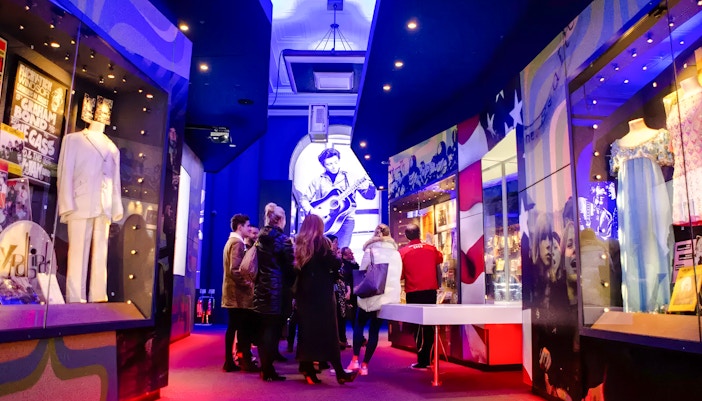
The museum is laid out as a mostly linear, decade-by-decade journey with interactive rooms woven into the route rather than separated from it. That makes it easy to self-navigate, but it’s also why people rush to the hands-on areas and skim the early galleries too quickly.
- Opening gallery: BRIT Awards statues, Beatles Apple door, and early scene-setting displays → budget 10–15 minutes.
- Post-war to punk galleries: The main timeline of British rock and pop, with costumes, instruments, and memorabilia → budget 25–35 minutes.
- Britpop to present-day displays: Later-era artifacts, videos, and changing cultural context → budget 20–30 minutes.
- Gibson interactive studio: Guitars, drums, and keyboards you can try yourself → budget 15–25 minutes.
- Dance studio and vocal booth: Quick, fun hands-on stop that works especially well with kids and groups → budget 10–15 minutes.
Suggested route: Do the artifact galleries first while you’re fresh, then finish with the Gibson studio and dance room. Most visitors do the reverse, which means they spend their energy early and then rush the quieter cases with the best handwritten lyrics and smaller memorabilia.
Maps and navigation tools
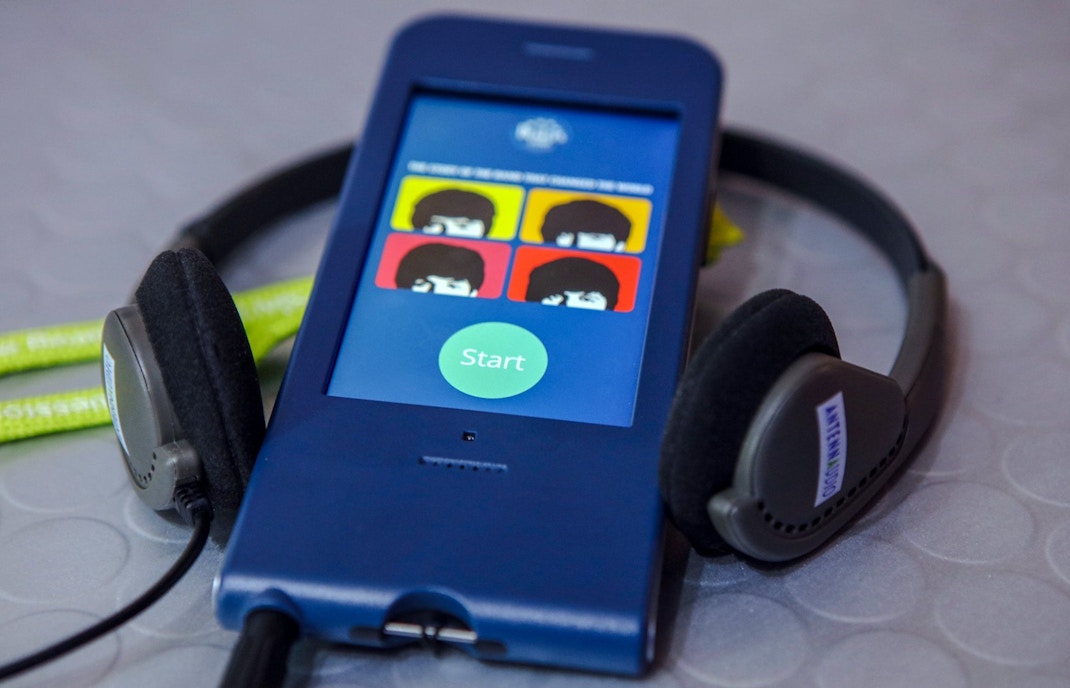
- Map: The free Smartify audioguide on your phone works as your best navigation tool and context layer before arrival.
- Signage: Wayfinding is clear enough for most visitors, but the smaller artifact cases are easy to miss if you move too quickly between big visual displays.
- Audio guide / app: Smartify adds useful context on your own device and is the easiest way to make the self-guided route feel fuller.
💡 Pro tip: Save the Gibson studio for the second half of your visit — once you stop there first, it becomes much easier to rush the artifact galleries afterward.
Where are the masterpieces inside British Music Experience?
1/6
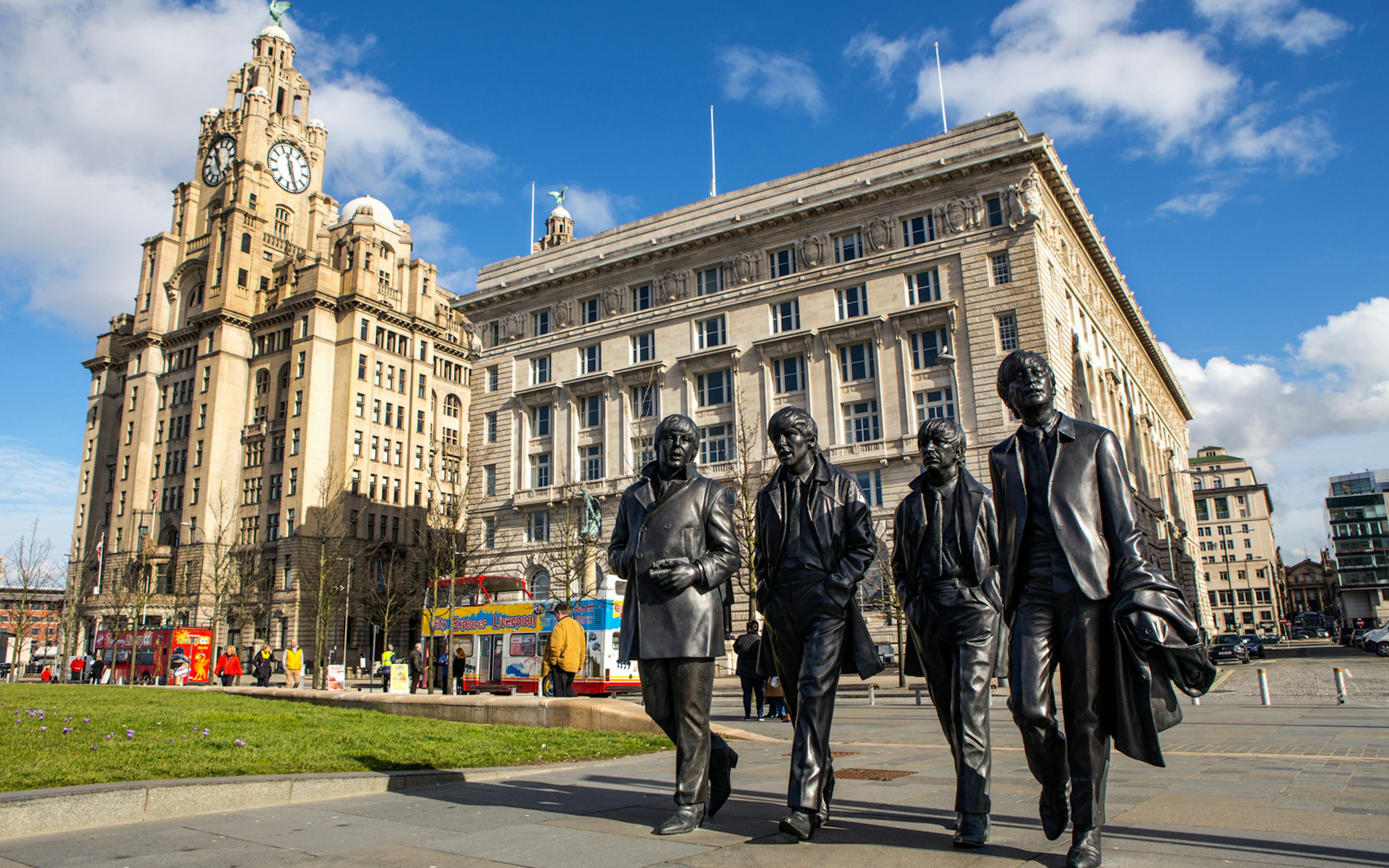
BRIT Awards statues and the Beatles Apple door
Attribute — Era / significance: British music-industry icons
These are some of the fastest photo stops in the museum, but they do more than decorate the entrance. They set up the museum’s wider story of British music as both culture and industry, from awards recognition to the Beatles’ business legacy. Most visitors snap a photo and move on, but the point is to notice how early the museum signals that this isn’t just a Beatles museum or a costume display.
Where to find it: Near the start of the route in the opening gallery close to the entrance displays.
Freddie Mercury, Queen, and major stage costumes
Attribute — Artist / era: Queen and late-20th-century arena pop-rock
The costume displays are where the museum feels most immediate, because you’re standing close to items you’ve only seen in concert footage or album-era images. Freddie Mercury’s stage wear is usually the emotional anchor, but the wider costume cases matter just as much for showing how British pop built identities as much as songs. What visitors often miss is how much the styling changes across eras, from glam excess to polished pop branding.
Where to find it: In the main chronological galleries as you move deeper into the core museum route.
Handwritten lyrics and rare memorabilia
Attribute — Artifact type: Songwriting and studio history
These smaller objects are some of the most rewarding pieces in the museum because they bring you close to the creative process rather than the final performance. The handwritten lyric sheets and studio-linked memorabilia slow the pace down in a good way after the louder visual displays. Many visitors miss them because the cases are quieter and less theatrical than the costume and video sections.
Where to find it: In the artifact cases spread through the central timeline galleries between the larger costume displays.
The Gibson interactive studio
Attribute — Experience type: Hands-on music-making
This is the most obviously fun room in the building, and it earns the hype. You can try guitars, drums, and keyboards instead of just reading about British music history, which makes the museum work especially well for teens, families, and anyone who wants a break from display cases. The detail people underestimate is timing — this room gets busy sooner than the rest of the museum.
Where to find it: Toward the latter part of the main museum route in the dedicated interactive studio space.
Dance the Decades and the vocal booth
Attribute — Experience type: Interactive performance zone
This section turns the museum from a timeline into an active experience. Following the virtual instructor through classic moves or stepping into the vocal booth keeps the visit from becoming too passive, especially if you’re not the type who wants to read every panel. What gets missed here is that late afternoon can be a better time to try it, once the earlier family rush has moved on.
Where to find it: Near the interactive end of the route, close to the other participation-based exhibits.
Live Aid and temporary exhibitions
Attribute — Exhibition type: Temporary special exhibition
The changing exhibition program is one of the best reasons not to treat this as a once-only museum. A strong temporary show adds depth beyond the permanent timeline and can make a repeat visit genuinely worthwhile, especially because standard tickets remain valid for return entry within 12 months. Visitors often focus so much on the permanent headline items that they shortchange whatever temporary exhibition is running.
Where to find it: Within the museum’s exhibition route, usually signposted as part of the current special display area.
Facilities and accessibility
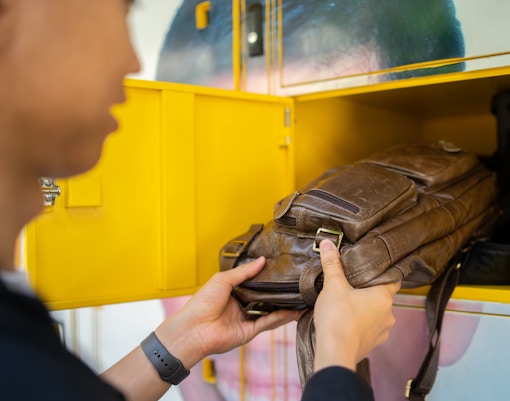
- 🎒 Cloakroom / lockers: Small lockers are available, and larger bags or bulky items are better left elsewhere before you arrive.
- 🚻 Restrooms: Restrooms are available on-site, and it’s easiest to use them before settling into the main gallery route.
- 🍽️ Star Café & Bar: The on-site café serves drinks, light bites, and cakes, and it’s a convenient mid-visit break rather than a destination meal.
- 🛍️ Gift shop / merchandise: The shop is open to the public and is a good stop for band T-shirts, music books, vinyl-themed gifts, and smaller souvenir items.
- 🪑 Seating / rest areas: You’ll find seating around the café area, which is the best place to pause if you want a proper break during your visit.
- 📶 Wi-Fi: Plan to use your own data for Smartify unless you’ve confirmed Wi-Fi access on arrival.
- ♿ Mobility: One free carer ticket is available for a disabled guest, and the museum’s indoor self-guided format is easier to manage than a multi-building attraction.
- 👁️ Visual impairments: The free Smartify audioguide on your own phone adds spoken context and is worth setting up before arrival.
- 🧠 Cognitive and sensory needs: Weekday mornings are the calmest time to visit, while the interactive rooms are usually the loudest and most stimulating parts of the museum.
- 👨👩👧 Families and strollers: The museum works well for mixed-age groups because the route is indoors, compact, and broken up by interactive spaces rather than long stretches of reading-only displays.
This is a good museum for kids who like to move, listen, and try things rather than stand still for long periods.
- 🕐 Time: Around 60–90 minutes is realistic with younger children if you focus on the Gibson studio, dance room, and the most visual costume displays.
- 🏠 Facilities: The café, restrooms, and indoor layout make it easier than many city museums to manage breaks without derailing the visit.
- 💡 Engagement: Let children ‘collect’ favorite decades or artists as they go, because the timeline format works better when they have something specific to spot.
- 🎒 Logistics: Bring a fully charged phone for Smartify, pack light, and aim for a morning slot if your kids will want extra time in the interactive rooms.
- 📍 After your visit: The waterfront around Pier Head is ideal for a quick post-museum walk, and the Mersey Ferry area is an easy next stop with children.
Rules and restrictions
What you need to know before you go
- Entry requirement: Prebooked tickets are the smoothest option, and your ticket is valid for return visits within 12 months if you bring ID.
- Bag policy: Large bags and bulky items are not allowed in the museum, so travel light and use the small lockers only for essentials.
- Re-entry policy: Re-entry is allowed with your valid ticket during the 12-month period, which makes this one of the easier Liverpool attractions to split across visits.

Not allowed
- 🚫 Food and drink: Food and drinks belong in the café area, not inside the galleries and interactive spaces.
- 🚬 Smoking / vaping: Smoking and vaping are not part of the indoor museum experience, so step outside the building if you need a break.
- 🐾 Pets: Pets are not part of the standard visit, while assistance animals should follow the venue’s access rules.
- 🖐️ Touching exhibits: Don’t handle collection objects in the display galleries — the interactive instruments are the place where hands-on use is encouraged.

Photography
Personal photography is usually fine for most permanent-gallery moments, especially around the entrance icons and costume displays, but always check signs beside temporary exhibitions or loan items because rules can change by object. Flash, tripods, and anything that blocks shared spaces are best avoided, especially in the tighter interactive rooms where people are moving around and waiting their turn.

Good to know
- Ticket validity: The 12-month return validity is easy to overlook, but it changes the value equation if you live nearby or plan another Liverpool visit.
- Pacing: The café shuts before the museum day fully ends, so don’t leave your break until the very end if you want coffee or cake.
Practical tips
- Booking and arrival: Book ahead for summer weekends and school breaks, but on quieter weekdays you usually don’t need a huge lead time — arriving 10–15 minutes before your slot is enough.
- Pacing: Read more slowly in the first half of the route and save your energy for the Gibson studio at the end, because the museum’s loudest, most active spaces come after the artifact-heavy galleries.
- Crowd management: If the instruments matter most, choose a weekday morning close to opening; if the dance room matters more, late afternoon often feels easier once the family rush thins out.
- What to bring or leave behind: Bring headphones and a charged phone for Smartify, and skip large bags because storage is limited and traveling light makes the visit smoother.
- Food and drink: If you want a proper sit-down meal, eat before or after your visit and use Star Café & Bar as a coffee-and-cake stop rather than your main lunch plan.
- Value: The ticket’s 12-month validity is the detail that makes the price easier to justify, especially if you think you may return for a temporary exhibition or a calmer second pass through the galleries.
What else is worth visiting nearby?
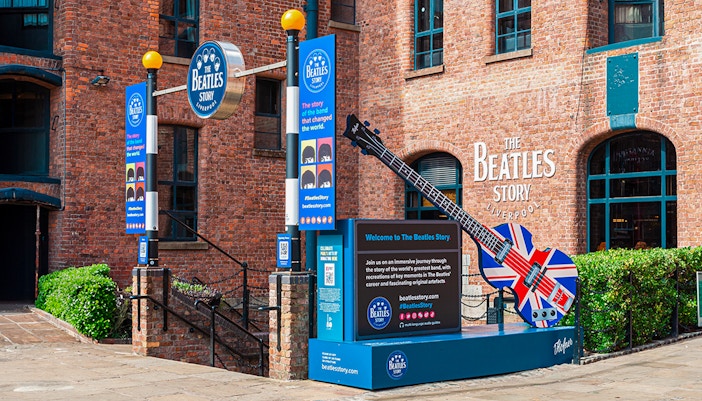
Commonly paired: The Beatles Story
- Distance: About 800m — 10-minute walk
- Why people combine them: One visit gives you the wider story of British music, while the other goes deep on Liverpool’s most famous band, so together they make a fuller music-themed day.

Commonly paired: Mersey River Cruise
- Distance: About 400m — 5–10-minute walk
- Why people combine them: It’s an easy shift of pace after the museum — you go from indoor galleries and memorabilia to fresh air, waterfront views, and a short scenic break.

Also nearby
Cavern Quarter
- Distance: About 1 km—12–15-minute walk
- Worth knowing: It’s the right follow-up if you want a live-music atmosphere after a museum visit, especially in the evening.
Liverpool ONE
- Distance: About 900m — 10–12-minute walk
- Worth knowing: It’s the practical nearby option for food, shopping, and an easy reset if you’re continuing your day in the city center.
Eat, shop and stay near British Music Experience
- On-site: Star Café & Bar serves coffee, drinks, cakes, and light food, and it’s worth using as a convenient break rather than as your main meal stop.
- The Beatles Story Fab4 Café (10-minute walk, Royal Albert Dock): Casual café fare in a music-friendly setting that fits naturally before or after a Beatles-focused stop.
- Liverpool ONE restaurants (10–12-minute walk, Liverpool ONE): Broad choice at mixed price points, making this the easiest option if your group can’t agree on one cuisine.
- Waterfront cafés at Albert Dock (12-minute walk, Royal Albert Dock): Better for a slower sit-down lunch with views if you’re turning the museum into half of a longer waterfront day.
- 💡 Pro tip: If you want both the café and full galleries, stop at Star Café before 4:30pm — leaving it until the end is the easiest way to miss it.
- British Music Experience shop: Band merchandise, music books, vinyl-themed gifts, and souvenir items, right on-site at the museum exit area.
- Liverpool ONE: Major high-street shopping close by, useful if you want something practical after the museum rather than music-specific souvenirs.
The Pier Head and waterfront area is a strong base for a short Liverpool stay if your priority is views, easy sightseeing, and walking access to major attractions. It feels more spacious and polished than some nightlife-heavy central areas, and it works especially well if you’re pairing museums, ferries, and the dockside. For a longer stay focused on restaurants and evening energy, other neighborhoods can make more sense.
- Price point: The waterfront generally skews mid-range to upscale, with better-value options usually found a little farther into the city center.
- Best for: Short city breaks, first-time visitors, and anyone who wants to walk to Pier Head, Albert Dock, and several headline attractions.
- Consider instead: Ropewalks or the wider city center if you want more nightlife, more dining variety, and a livelier evening base for a 2–3-night stay.
Frequently asked questions about visiting British Music Experience
Most visits take 1.5–2 hours. If you read the displays carefully, spend time in the temporary exhibition, and use the Gibson studio and dance room properly, allow closer to 2.5 hours. Families with younger children often move faster through the timeline galleries and slower through the interactive zones.
You don’t always need to book far ahead, but it’s the safer option for weekends, school holidays, and special exhibitions. On quieter weekdays, same-day booking is often fine. Prebooking also makes arrival smoother because you’re not deciding on tickets at the entrance.
Usually no — this is not a museum where standard waits are consistently long. A fast-track upgrade only makes sense if you’re visiting on a packed weekend or fitting the museum into a tight day with other timed activities nearby.
Arrive about 10–15 minutes early. That gives you enough time to check in, sort your phone for Smartify, and start on time without rushing. You don’t need the kind of buffer you would for a heavy-security landmark.
You can bring a small bag, but large bags and bulky items are not a good idea. Storage is limited to small lockers, so the easiest plan is to arrive light and keep only your essentials with you.
Yes, personal photos are generally fine in much of the museum. Check local signage around temporary exhibitions or individual loan items, because photography rules can change there. Flash, tripods, and anything that gets in other visitors’ way are best avoided.
Yes, and groups of 10 or more adults can usually get a discount. The museum works well for groups because the route is self-guided, compact, and easy to pace differently if some people want more time in the interactive spaces than others.
Yes, it’s one of the more family-friendly museums in central Liverpool. The interactive music studio, dance area, and vocal booth give children something active to do between the display cases, which makes it easier than a reading-heavy museum for mixed-age groups.
The museum is designed as an indoor self-guided attraction, and one free carer ticket is available for a disabled guest. Because access needs can vary, it’s still worth checking the latest venue details before you go if you need specific lift, restroom, or mobility support information.
Yes. The museum has Star Café & Bar on-site for drinks, cakes, and light bites, and you’ll find fuller meal options within a 10–12-minute walk at Albert Dock and Liverpool ONE. If you want a proper lunch, eating before or after your visit works better than relying on the café alone.
Yes, the standard admission ticket is valid for return visits within 12 months. That matters more than people expect, because it gives you the option to come back for a temporary exhibition or revisit the interactive rooms without trying to do everything in one go.